
Favorite Fire Restoration Tools for Safe and Effective Cleanup
Get insights into trusted tools that help restore properties quickly while ensuring safety during fire damage recovery.
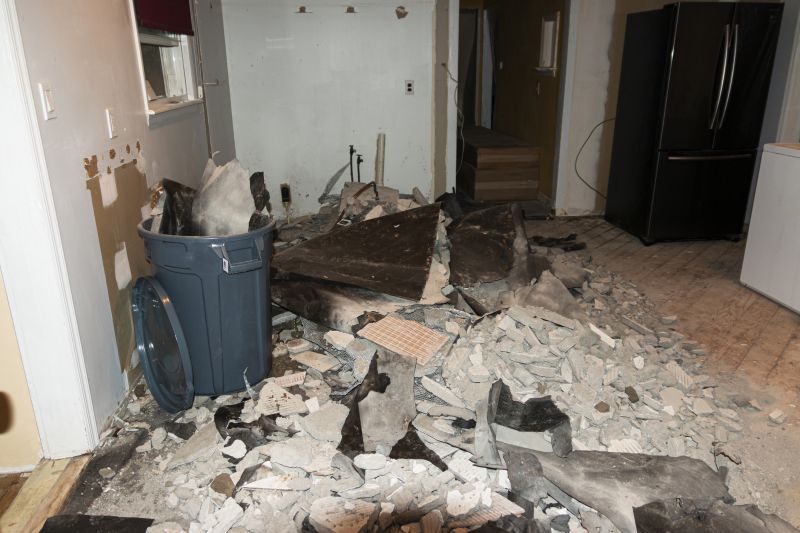 Fire restoration products are essential tools and materials used to repair and recover properties affected by fire damage. These products help address a variety of issues such as smoke and soot residues, structural damage, odor removal, and water damage resulting from firefighting efforts. Proper selection and use of these products can significantly improve the effectiveness and efficiency of restoration processes. In San Marcos, CA, restoration professionals and property owners alike seek reliable solutions to restore safety, functionality, and comfort to fire-damaged spaces.
Top Overall Option
Multi-Purpose Fire Damage Restoration Kit
A comprehensive kit that includes a variety of cleaning agents, odor neutralizers, and protective gear designed to address multiple aspects of fire damage. This all-in-one solution offers versatility and convenience for restoration professionals and DIY restorers alike, facilitating effective cleaning, deodorizing, and surface preparation in fire-affected properties.
Types of Products For Fire Restorations
Soot and Smoke Residue Cleaners
Specialized cleaning agents formulated to remove soot and smoke deposits from walls, ceilings, and other surfaces.
Odor Neutralizers
Products designed to eliminate or mask persistent smoke odors, including enzyme-based and chemical neutralizers.
Water Extraction Equipment
High-powered wet/dry vacuums and drying fans used to extract water and dry out affected areas after firefighting.
Fire-Resistant Sealants
Sealants used to contain smoke and soot residues and prevent further contamination.
Structural Repair Materials
Plywood, drywall, and framing materials for rebuilding damaged structures.
Personal Protective Equipment
Respirators, gloves, and protective clothing essential for safety during restoration work.
Electrostatic Air Scrubbers
Air filtration devices that remove airborne soot particles and odors from indoor environments.
Dehumidifiers
Equipment used to control humidity levels and prevent mold growth in damp areas.
Fire Damage Restoration Chemicals
Specialized chemicals for cleaning and neutralizing residues on various surfaces.
Carpet and Upholstery Cleaners
Products tailored for cleaning fabrics affected by smoke and soot.
Drying and Ventilation Fans
Equipment to accelerate moisture removal and improve air circulation during restoration.
Paint and Surface Primers
Primers designed to seal surfaces before repainting after fire damage.
Fire Damage Assessment Tools
Infrared cameras and moisture meters to evaluate the extent of damage and guide restoration efforts.
Smoke Eaters and Air Purifiers
Devices that filter out smoke particles and improve indoor air quality.
Chemical Absorbents
Materials used to soak up residual chemicals and residues from fire scenes.
Popular Choices
Widely used products that help neutralize smoke odors in residential and commercial settings.
Effective cleaning solutions for removing soot from various surfaces.
Popular for improving indoor air quality during and after restoration work.
Complete sets including fans and dehumidifiers for quick moisture removal.
Convenient products for localized odor control in small or hard-to-reach areas.
Used to contain residues and prevent further contamination.
Devices that disperse deodorant fog to neutralize pervasive smoke smells.
Complete PPE kits for safety during fire damage cleanup.
Popular tools for assessing hidden damage and moisture intrusion.
Effective for treating surfaces contaminated with chemical residues.
Absorbent materials used for rapid moisture extraction.
Widely used for ongoing air quality improvement in affected spaces.
All-in-one kits that include multiple tools and chemicals for comprehensive restoration.
Primers that prepare surfaces for repainting after fire damage.
High-capacity fans used to accelerate drying and air circulation.
Restoration involves a comprehensive approach that includes cleaning, deodorizing, structural repair, and sometimes rebuilding. Chemical cleaners and degreasers are used to remove stubborn soot and smoke residues from surfaces, while specialized odor neutralizers help eliminate lingering smells. Water extraction and drying equipment are crucial in cases where firefighting efforts have introduced significant moisture, preventing mold growth and further deterioration. The right combination of products ensures a thorough restoration, minimizing long-term damage and restoring the property to a safe condition.
Choosing appropriate fire restoration products requires understanding the specific needs of the damaged property, including the extent of damage, types of surfaces involved, and any hazardous residues. Professionals often rely on a variety of tools and chemicals designed for different tasks, from heavy-duty cleaning agents to odor control solutions. When selecting products, it is important to consider compatibility with existing materials, safety for occupants and workers, and ease of use. Proper training and adherence to safety guidelines are vital to maximize the benefits of these products and ensure a successful restoration process.
Key Buying Considerations
- Assess the extent of fire and smoke damage to determine the necessary products.
- Choose products compatible with the surfaces and materials affected.
- Prioritize safety features and proper labeling to ensure safe handling.
- Consider the size and scope of the restoration project when selecting equipment and chemicals.
- Opt for products with proven efficacy in odor neutralization and soot removal.
- Evaluate the ease of use and whether professional training is required.
- Check for compatibility with existing cleaning and restoration tools.
- Determine if the products are suitable for both residential and commercial applications.
- Review manufacturer instructions for proper application and safety precautions.
- Consider environmental factors such as humidity and airflow in the affected area.
- Select durable equipment that can withstand repeated use in demanding conditions.
- Look for products with positive user feedback and industry recommendations.
- Ensure availability of replacement parts and ongoing support.
- Balance cost with quality to achieve effective and economical restoration.
- Verify that products meet local safety and regulatory standards.